Commercial Loan Broker Training: How to Close Your First Deal

The world of commercial finance is incredibly lucrative, but the barrier to entry can seem high. Our commercial loan broker training simplifies the process, giving you the scripts, the lender network, and the AI tools needed to close deals fast. Stop trading time for money and start building a residual income empire in the lending space.

You signed up for a funding program. Maybe you watched a webinar, clicked "join," and got your affiliate link. Now you're staring at a dashboard, a couple of PDFs, and zero idea what to actually do.
Welcome to the gap nobody warns you about: the space between "I'm a broker" and "I closed a deal."
Most people quit here. Not because the money isn't real—it absolutely is—but because they don't know what day one looks like. They don't have a script. They don't know how to find a business owner who needs capital. And they definitely don't know how to ask for financial documents without feeling like a fraud.
This is your commercial loan broker training. Not theory. Not motivation. Just the exact plays that turn confused beginners into commission-earning brokers.
Why Most New Brokers Flame Out in 30 Days
The failure rate in funding affiliate programs is brutal. And it's not because the products don't work or the commissions aren't real.
Top Mistake
People fail because they treat this like passive income. They think the company will hand them leads. They expect warm inbound interest. They post their link on Facebook once and wait for money to appear.
Here's the truth: This is a sales business. You are prospecting, diagnosing, presenting, and closing. If you can't do 10 outbound touches a day, you won't survive.
The second mistake?
Product vomit. New brokers try to memorize every loan type, every rate, every term structure. Then they corner a business owner and pitch MCAs, term loans, equipment financing, and lines of credit like a human brochure. The prospect glazes over. Nothing closes.
Third mistake?
The third mistake broker make is no pipeline math. You need to know your numbers. How many conversations does it take to get one application? How many apps to get one approval? How many approvals to get one funded deal? Without this, you're just guessing—and guessing doesn't pay commissions.
The good news? Once you fix these three things, deals start closing. And once you close one, you know the pattern. Then it's just repetition.

Play #1: Your First 7 Days (Daily Action Standard)
The first week determines everything. Most people waste it "learning the products" or designing a logo. Wrong move.
Your only job in week one is to generate conversations with business owners who might need capital.
Here's your daily action standard:
Days 1–3:
Identify 50 businesses in your network or local area (restaurants, contractors, retail shops, service companies, trucking, etc.)
Write down name, contact info, and one line about their business
Send 10 outbound messages per day (DM, email, or text)
Days 4–7:
Continue daily outreach (10 per day minimum)
Start pre-qualifying anyone who responds
Submit your first application (even if it's not perfect)
Sample DM Script (non-cringe version)
Hey [Name], I'm working with a few business funding partners and helping local businesses access capital for growth, equipment, or cash flow. Not sure if it's a fit, but if you ever need to explore options, happy to walk you through it—no cost, no obligation. Let me know.
That's it. No hype. No pressure. Just a clear offer.
Pipeline Math You Need to Track
Contacts made: 70 (10/day × 7 days)
Responses: ~10–15 (depending on your list quality)
Conversations: ~5–7
Pre-quals: ~2–3
Applications submitted: 1–2
You won't close a deal in week one. But you will build the muscle memory that leads to deals in weeks 2–4.

Play #2: The Pre-Qual Checklist (Stop Pitching, Start Diagnosing)
New brokers think they need to "sell" funding. They don't.
You are a diagnostic assistant, not a sales rep.
Your job is to ask smart questions, gather basic info, and determine if the business is financeable. That's it. If they qualify, you connect them with the right lender. If they don't, you tell them what needs to happen first (fix credit, increase revenue, etc.).
Here's your simple pre-qual checklist:
Business Basics
Legal business name
Industry / what they do
How long in business? (6 months minimum for most programs)
Monthly revenue? (Need at least $10K/month for MCA; higher for term loans)
Funding Need
What do they need the money for? (equipment, inventory, payroll, expansion, etc.)
How much are they looking for?
How soon do they need it?
Financials (Don't Be Shy—These Are Required)
Do they have 3+ months of business bank statements?
Personal credit score (rough range is fine)
Any existing loans or liens?
Red Flags to Watch For
Too many recent credit pulls (sign of desperation or serial shopping)
NSF fees or negative balances on bank statements
Inconsistent revenue (wild month-to-month swings)
Brand new business with no track record
If they pass the basics, you submit an app. Most programs take 24–48 hours to review. You don't need to be a financing expert—you just need to gather clean info and plug it into the system.
Pro Tip: Always set the expectation upfront. "I'll need to see 3 months of bank statements and run a soft credit check. If everything looks good, I can usually get you an answer within 48 hours."
This positions you as a professional, not a pushy salesperson.

Play #3: Pick One Program, Master the Process, Then Expand
Here's where most new brokers screw up: they join five programs at once, get overwhelmed, and never submit a single application.
Better move: Pick one funding partner, learn their app process inside-out, and close your first 3–5 deals there. Then layer in a second program.
Best Programs to Start With
✔️ David Allen Capital – MCA and working capital. Fast approvals. Great for newer brokers.
✔️ ROK Financial – Strong lender network, solid training, recurring commissions.
✔️ 7 Figures Funding – Revenue-based financing. Clean process, good support.
✔️ Finance Factory – Multi-lender marketplace. Submit once, get multiple offers.
✔️ National Business Capital – Term loans, SBA, equipment financing. Great for larger deals.
Start with one. Get 3 deals under your belt. Then expand your lender toolkit.
Why This Works
You learn one app flow (not five)
You build a relationship with one underwriting team
You get faster feedback and coaching
You actually close deals instead of "researching"
Once you've closed 3–5 deals with one lender, you'll know the rhythm. Then adding a second or third program is easy—you're just replicating a process you already know.
Bonus: Some programs (ROK Financial, Payability, Credit Suite) offer residual commissions—meaning you get paid monthly as long as the client keeps the funding active. Stack a few of these and you're building real recurring income.
Reality Check: This Is Not Passive Income (And That's Good)
Let's kill the fantasy right now.
You are not going to "set it and forget it." You are not going to post a link and watch commissions roll in. You are not going to recruit a team of 50 people in your first month and retire on override income.
This is a production business. You prospect. You pre-qual. You submit apps. You follow up. You close deals. Rinse and repeat.
Who wins in this business
People who do daily outreach (10+ contacts/day)
People who follow a system (not reinventing the wheel daily)
People who treat it like a real job (not a side hobby)
People who can handle rejection without quitting
Who loses
Dabblers who "try it out" for a week
People waiting for motivation before taking action
People who pitch products instead of diagnosing needs
People who blame the program when they're not doing the work
If you can commit to 90 days of consistent daily action, you will close deals. And once you close one, the second is easier. By deal five, you've got a system. By deal ten, you're making real money.

Commercial Loan Broker Training FAQs
What is a commercial loan broker?
A commercial loan broker is a licensed professional who connects business owners seeking financing with commercial lenders. Unlike traditional loan officers who work for a single bank, brokers have access to multiple lending sources and earn commission by facilitating successful loan closings.
How much can you make as a commercial loan broker?
Commercial loan brokers typically earn 1-3% commission on each closed deal, which can range from $5,000 to $50,000+ per transaction. Many brokers also earn residual commissions on certain loan products, creating passive income streams that can generate $10,000-$30,000+ monthly once a solid client base is established.
Do you need a license to be a commercial loan broker?
Licensing requirements vary by state and loan type. Commercial loan brokers typically don't need the same licensing as residential mortgage brokers in most states, though some require a general business license. It's essential to check your specific state regulations and consider working under an established broker's license when starting out.
What does commercial loan broker training cover?
Comprehensive commercial loan broker training includes lead generation strategies, understanding different commercial loan products (SBA, commercial real estate, equipment financing), building lender relationships, loan packaging and submission, client communication scripts, compliance basics, and deal structuring for maximum commission.
How long does it take to close your first commercial loan deal?
With proper training and tools, most new brokers can close their first deal within 30-90 days. The timeline depends on your lead generation efforts, the complexity of the deal, lender response times, and how quickly you can build rapport with business owners seeking financing.
What is the difference between residential and commercial loan brokering?
Commercial loan brokering focuses on business financing (office buildings, retail spaces, industrial properties, business acquisitions) rather than personal home loans. Commercial deals are typically larger ($100,000 to $50M+), have different underwriting criteria focusing on property cash flow rather than personal credit, and offer substantially higher commission potential.
Can you be a commercial loan broker part-time?
Yes, many successful brokers start part-time while maintaining other income sources. The flexible nature of the business allows you to work deals around your schedule, though building momentum faster typically requires more dedicated time for lead generation and client relationship building.
What tools do commercial loan brokers need to succeed?
Essential tools include a CRM system for lead management, direct lender contacts and relationships, loan packaging software or templates, marketing materials and scripts, a professional website or landing page, and increasingly, AI-powered tools for lead qualification, document analysis, and lender matching to streamline the entire process.
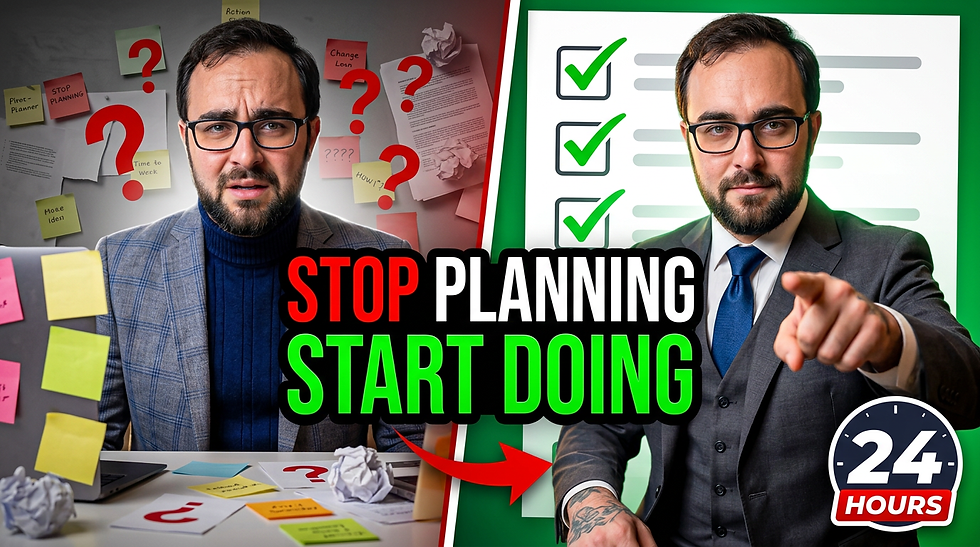
Your Next Steps (Do This Today)
You don't need more information. You need to start moving.
Here's what to do in the next 24 hours
Pick one funding program from the list above and complete the partner application
Build your list of 50 business contacts (local businesses, referral partners, or cold prospects)
Send your first 10 outreach messages using the script above
Set a daily action standard: 10 outbound contacts per day, every day, for 30 days
Optional (but smart)
Join the partner community or Slack/Facebook group for your chosen program
Book a 1-on-1 onboarding call if the program offers it
Download any broker toolkits, scripts, or checklists they provide
The difference between brokers who make $50K+ in year one and brokers who quit in 30 days is not talent. It's not connections. It's not luck.
It's daily action. Ten contacts a day. Every day. No excuses.
You've got the training. You've got the programs. Now go close your first deal.


Comments